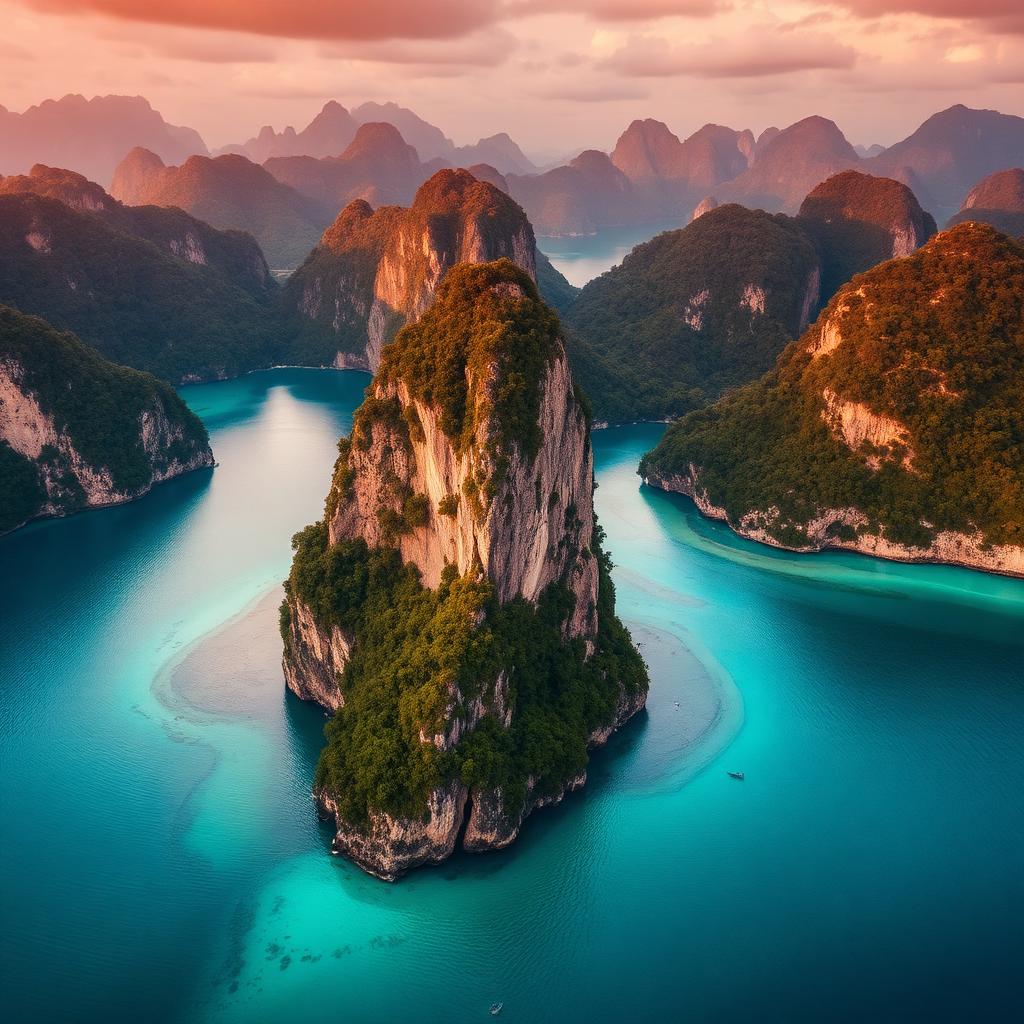
The Philippines is not just a destination; it is an archipelagic marathon. Comprising over 7,600 islands, the country offers some of the most breathtaking marine landscapes on earth, from the jagged limestone karsts of Palawan to the perfect, glassy barrels of Siargao. But with great geography comes great logistical complexity.
If you only have two weeks, you cannot see it all. The mistake most first-time visitors make is trying to island-hop every 48 hours, spending more time in cramped ferry terminals and domestic airports than actually enjoying the beaches. To truly experience the soul of the Philippines, you need a curated route that balances urban culture, natural wonders, and island downtime.
As a Filipino-American who has spent years navigating the beautiful chaos of my homeland, I have designed the ultimate 14-day itinerary. This route hits the "Holy Trinity" of Philippine travel: the historical and culinary heartbeat of Manila, the otherworldly lagoons of Palawan, and the laid-back, surf-centric jungle vibes of Siargao. Here is exactly how to do it without burning out.
Days 1–3: Manila — the cultural heartbeat
Most tourists treat Manila as a place to escape as quickly as possible. This is a massive mistake. Manila is a sprawling, chaotic, deeply historical metropolis that rewards those who dig beneath the surface.
Day 1: Arrival and the BGC bubble
After landing at NAIA, bypass the notorious taxi scams by pre-booking your transfer or using the Grab app to head to your hotel. I recommend staying in Bonifacio Global City (BGC) or Makati for your first few nights — walkable, safe, and packed with world-class dining. Spend your first evening adjusting to the humidity and enjoying a welcome dinner at one of BGC's vibrant rooftop restaurants.
Day 2: Intramuros and history
Dedicate your second day to Intramuros, the 16th-century walled city built by the Spanish. Rent a bamboo bicycle and ride along the cobblestone streets. Visit Fort Santiago, where national hero Jose Rizal was imprisoned, and marvel at the baroque architecture of San Agustin Church (a UNESCO World Heritage site). In the afternoon, take a kalesa (horse-drawn carriage) ride around the walls as the sun sets.
Day 3: Binondo food tour
Manila is home to Binondo, the oldest Chinatown in the world. Skip the fancy restaurants today and hire a local guide for a walking food tour. You will eat your way through dumpling shops, historic noodle houses, and traditional Filipino-Chinese bakeries — a visceral, delicious introduction to the complex layers of Filipino culture.
Days 4–9: Palawan — the last frontier
On Day 4, catch an early morning flight from Manila directly to El Nido (Lio Airport) or via Puerto Princesa. Palawan is consistently voted as having the best islands in the world, and the moment you see emerald water against sheer limestone cliffs, you will understand why.
Days 4–6: El Nido and the lagoons
Base yourself in El Nido town proper for easy access to the famous island-hopping tours.
- Tour A: the Big and Small Lagoons. Kayaking into the Small Lagoon, surrounded by towering cliffs and hidden beaches, is a spiritual experience.
- Tour C: Hidden Beach and Matinloc Shrine. Generally less crowded and offers incredible snorkeling.
Spend your evenings eating fresh seafood at the local night market or enjoying a sunset cocktail at a beachfront cafe.
Days 7–9: Coron and the wrecks
Take a fast ferry (or a short scenic flight) north to Coron — wilder, slightly more rugged, and famous for its WWII Japanese shipwrecks and breathtaking Kayangan Lake.
- Kayangan Lake: often cited as the cleanest lake in the Philippines. The swim through the narrow rock crevice into the massive, crystal-clear cavern is unforgettable.
- Twin Lagoons: kayak through a dark, narrow tunnel that opens up into a stunning, secluded lagoon.
The local interaction hack: in places like El Nido and Coron, you'll negotiate with tricycle drivers for the port, or haggle with vendors for a private boat tour or a beachside massage. English is widely spoken in tourist hubs, but the dynamic changes entirely when you speak the local tongue. A few conversational Tagalog phrases get you better prices, warmer service, and genuine smiles. If you want to travel like an insider, brush up on basics with a native tutor before you fly. A 30-minute session a week prior will completely transform how locals receive you.
Days 10–14: Siargao — surf, soul, and jungle vibes
On Day 10, fly back to Manila (or via Cebu) and connect to Siargao (IAO Airport). Siargao is a teardrop-shaped island that has transformed from a secret surf spot into the coolest island in the Philippines. It is less about pristine, empty beaches and more about a vibrant, jungle-infused, community-driven lifestyle.
Day 11: Cloud 9 and the boardwalk
Even if you don't surf, you must visit Cloud 9. Watch the pros catch massive, hollow waves from the iconic viewing tower. Afterward, walk the newly expanded boardwalk, grabbing coconut shakes from street vendors and eating at the trendy, open-air cafes that line the coast.
Day 12: the island-hopping trinity
Rent a motorbike (if experienced) or hire a driver to hit the three famous islands:
- Naked Island: a literal sandbar in the middle of the ocean — no trees, no buildings, just white sand and turquoise water.
- Daku Island: a lush, green island where you'll eat a massive, freshly caught seafood lunch served on banana leaves.
- Guyam Island: a tiny, romantic sandbar covered in palm trees — perfect for a final sunset photo.
Day 13: jungles and rock pools
Head inland to the Magpupungko Rock Pools. These natural, tidal rock formations are only accessible during low tide, so check the local schedules. In the afternoon, take a boat up the Sohoton Cove to Sugba Lagoon. The paddle through the mangrove forests into the massive, silent lagoon is the perfect, peaceful end to your trip.
Day 14: departure
Fly back to Manila for your international connection, carrying a suitcase full of dried mangoes, local coffee, and a profound appreciation for the Filipino spirit of Bayanihan (community and hospitality).
Logistics & survival tips
- Domestic flights are mandatory: don't try this route by ferry — distances are too vast. Book Manila–El Nido and El Nido/Coron–Siargao well in advance on Cebu Pacific or Philippine Airlines. Pack swimsuit and a change of clothes in your carry-on.
- "Island time" reality: ferries depart when full, not on schedule. Flights get delayed by weather. Build a 24-hour buffer into your international connection.
- Connectivity: buy a physical SIM (Globe or Smart) at the Manila airport on arrival. Smart generally has better coverage in remote areas like Siargao and Palawan. Download offline maps before leaving the cities.
- Cash is king: BGC and Makati are card-friendly, but ATMs in El Nido and Coron frequently run out of cash or go offline. Always carry sufficient pesos when island-hopping.
Final thoughts
The Philippines is not a country you simply "see"; it is a country you feel. It is the warmth of the tricycle driver who offers you a ride, the taste of vinegar-based adobo, and the sheer scale of the limestone cliffs blocking out the sun. By following this 14-day route, you aren't just checking off landmarks — you are experiencing the diverse, vibrant, and deeply human soul of the archipelago.
Pack light, respect the local environment (reef-safe sunscreen is a must), and leave room in your heart for the connections you'll make along the way.
About the author
Maya Torres
Maya is a Filipino-American travel writer whose journeys through the Philippines and broader Asia are deeply personal. Her focus is on heritage travel, cultural etiquette, and the vital role that language plays in breaking down barriers. Maya writes extensively about how learning even a few phrases of the local language can completely transform a traveler's experience, turning strangers into friends. She is a passionate advocate for sustainable, respectful tourism that gives back to local communities.