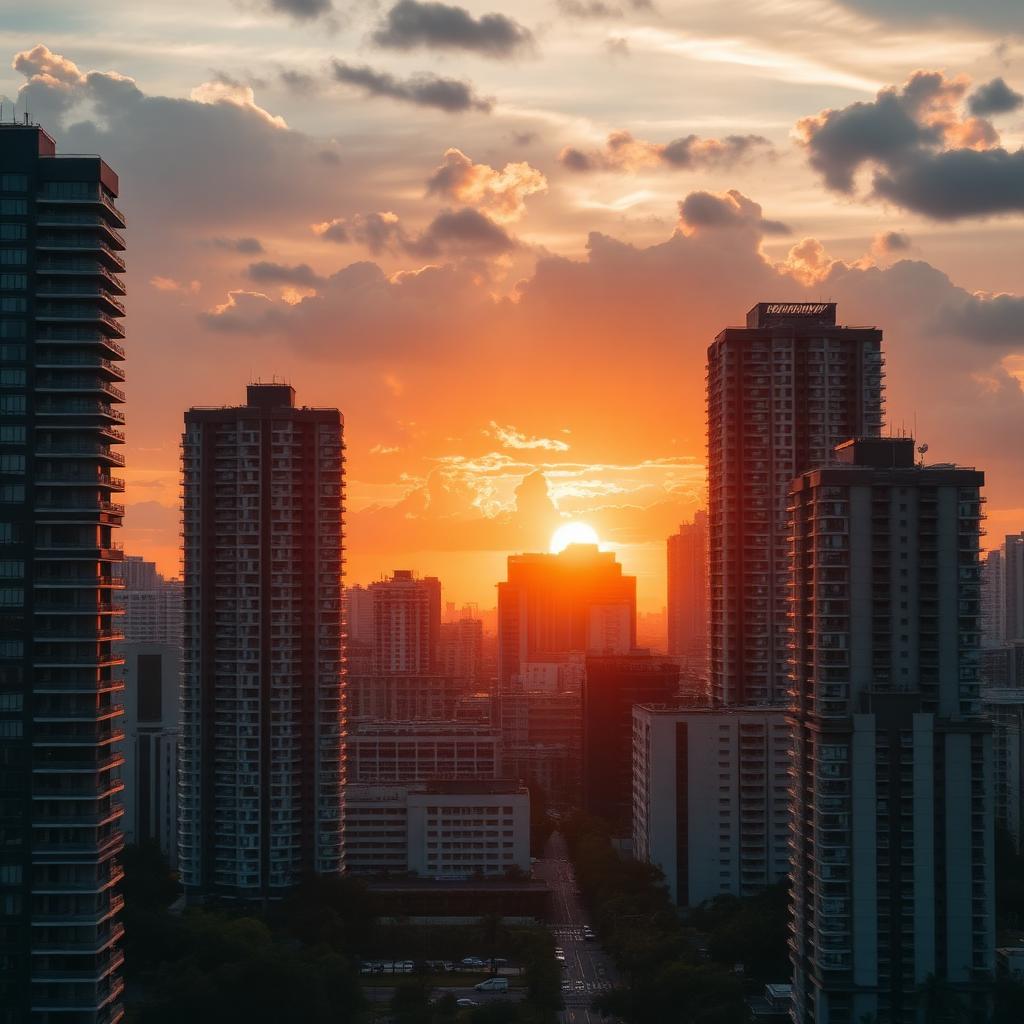
If you are researching a move to the Philippines, you have probably seen YouTube videos or blog posts claiming you can live like a king in Manila for $800 a month. Let me be the first to offer you some radical transparency: that era is largely over, or at the very least, it requires a level of local immersion and sacrifice that most remote workers are not willing to make.
Manila is a city of extreme contrasts. You can eat a delicious, filling meal of silog (meat, egg, and rice) for $1.50, or you can drop $50 on a craft cocktail and imported steak in a high-rise rooftop bar. The "expat tax" is real, but it is entirely optional. It only applies if you insist on living in a Western bubble.
As someone who has tracked every single peso spent living in Metro Manila for years, I am going to break down the real cost of living comfortably in 2026. By "comfortable," I do not mean luxury. I mean a modern, fully furnished 1-bedroom condo in a safe, walkable neighborhood, reliable high-speed fiber internet, eating out a mix of local and mid-range restaurants, using ride-hailing apps to avoid the brutal traffic, and having a solid health insurance safety net.
1. Housing: the biggest variable ($600–$1,200/month)
Your rent will dictate your entire budget. In Manila, expats overwhelmingly choose condominiums rather than traditional houses. Condos offer 24/7 security, backup generators (crucial during typhoon season), and amenities like pools and gyms.
- Bonifacio Global City (BGC): $900–$1,200/month. The gold standard for expats — meticulously planned, highly walkable, packed with international restaurants, and feels like a bubble of first-world infrastructure.
- Makati (Salcedo or Legazpi Villages): $800–$1,100/month. The traditional financial district. A great mix of green spaces and weekend markets, with a slightly more authentic Filipino feel than BGC.
- Ortigas / Quezon City: $500–$750/month. Less walkable, more reliance on Grab or the MRT, but the quality of the condos is often higher for the price and you're surrounded by massive shopping malls.
Pro tip: never rent a condo for less than 6 months if you want the best rate. Landlords heavily discount long-term leases. Use reputable local platforms like Lamudi Philippines to gauge market rates, and beware of Facebook Marketplace scams targeting foreigners.
2. Food & groceries: the "import tax" reality ($300–$500/month)
Eating in Manila can be incredibly cheap, but your budget will swing wildly based on your dietary preferences. If you crave Western comfort foods, prepare to pay for it.
Groceries
Local produce (mangoes, bananas, leafy greens, chicken, and pork) is abundant and cheap at the palengke or mid-tier supermarkets like SM. Imported goods are heavily taxed — a block of cheddar, a bottle of decent wine, or specialty coffee will cost the same or more than at home. Budget $150–$250/month if you cook at home but occasionally buy imported staples.
Dining out
This is where Manila shines. A meal at a local carinderia costs $1.50–$3.00. A solid mid-range meal in BGC or Makati runs $10–$20 per person with a drink. Eating out 3–4 times a week, budget around $150–$250/month.
3. Transportation: paying for convenience ($100–$200/month)
Manila traffic is legendary for a reason. While the MRT-3, LRT-1, and new Metro Manila Subway phases have improved things, transit can still be overcrowded and confusing for newcomers. Most digital nomads run a hybrid setup.
- Grab (ride-hailing): the safest, most reliable way around. A 20-minute ride costs $4–$8; rush-hour surge can double it. Budget $60–$120/month at 3–4 rides a week.
- Angkas / JoyRide (motorcycle taxis): the ultimate hack for beating traffic. $1–$3 to weave through gridlock — thrilling, efficient, and widely used.
- Public transit: trains and jeepneys cost $0.20–$0.50 per ride, but require patience and a tolerance for crowds.
For crowdsourced daily transit costs, see Numbeo's Manila Cost of Living Index.
4. Utilities & connectivity: the hidden drain ($80–$130/month)
Don't assume utilities are cheap. The Philippines has some of the highest electricity rates in Asia.
- Electricity (Meralco): running AC 8–10 hours a day, bills range $60–$100/month. Inverter-type units land on the lower end.
- Internet: non-negotiable for remote work. Converge or PLDT fiber at 100–300 Mbps runs $25–$35/month. Installation can take a few weeks — have a backup hotspot ready.
- Mobile data: a robust postpaid plan from Globe or Smart with unlimited data costs $15–$20/month.
5. Healthcare & insurance: do not skimp here ($50–$150/month)
Routine medical and dental care in the Philippines is high quality and very affordable, but serious emergencies require evacuation to better-equipped facilities — financially catastrophic without coverage. Don't rely on local public hospitals as a foreigner.
- Local HMO: Maxicare or Intellicare give you access to premium private hospitals (St. Luke's) for $50–$100/month, but often require a long-term visa to enroll.
- International nomad insurance: SafetyWing, Genki, or Cigna offer flexible month-to-month plans with medical evacuation, typically $50–$150/month.
6. Lifestyle, fitness & coworking ($100–$200/month)
- Gym: Anytime Fitness or boutique gyms run $40–$70/month.
- Coworking: a hot desk at A Coworking or WeWork in BGC is $100–$150/month. Many nomads skip this and just work from the condo.
- Entertainment: drinks, weekend trips, hobbies — easily another $100/month.
7. The "hidden" administrative costs
- Visa extensions: on the tourist extension route, budget $30–$50 every two months for Bureau of Immigration fees — nearly $300/year.
- Condo deposits: typically 2 months security + 1 month advance. Have $2,500+ in liquid cash before you sign.
- AC maintenance: a bi-annual chemical cleaning ($15–$20) keeps your unit efficient and avoids electricity spikes.
The final tally: your monthly budget
Here's what a comfortable, mid-range digital nomad lifestyle in Manila looks like in 2026:
- Rent (1BR condo in BGC/Makati): $950
- Groceries & dining out: $400
- Transportation (Grab/Angkas): $120
- Utilities & internet: $100
- Health insurance: $75
- Lifestyle & entertainment: $150
- Visa / admin buffer: $50
Total estimated monthly cost: $1,845 USD
Can you do it for less? Absolutely. Move to Quezon City, cook your meals, skip the coworking, limit Grab rides, and you'll comfortably land at $1,300–$1,500 USD.
Can you spend more? Easily. A 2-bedroom condo, weekly high-end steakhouses, and monthly trips to Palawan or Siargao will push you past $2,500+.
Manila is not the absolute cheapest city in Southeast Asia anymore, but for under $2,000/month it offers a level of convenience, English proficiency, and vibrant community that's incredibly hard to beat. Just budget for the reality of the city, not the fantasy.
About the author
Leo Vance
Leo has been living and working on and off in Southeast Asia for over seven years. After cutting his teeth in the tech hubs of Ho Chi Minh City and the startup scene of Manila, he transitioned to writing full-time. He specializes in the nitty-gritty of relocating: visa runs, cost-of-living breakdowns, long-term housing, and local bureaucracy. When he isn't writing, he's hunting for the best local coffee shops with reliable Wi-Fi.